


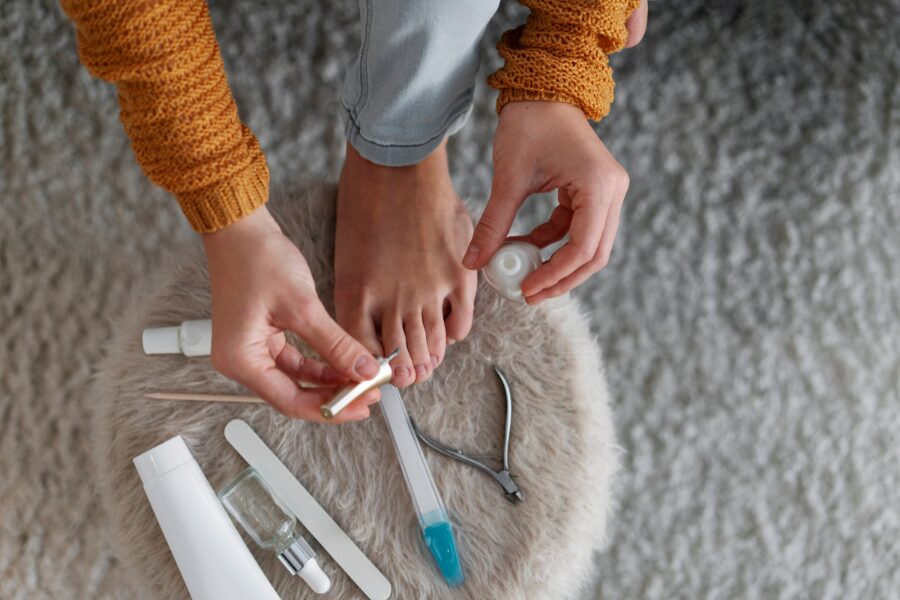
Getting a gel extension pedicure is one of the best ways to enjoy long-lasting, flawless toes — but removal day can feel overwhelming if you don’t know what you’re doing. Many people make the mistake of peeling or forcing off their extensions, which can seriously damage the natural nail underneath. Whether your extensions are growing out or you’re simply ready for a fresh look, removing them the right way makes all the difference.
This guide walks you through everything you need to know about safe, damage-free removal — from the tools you’ll need to the aftercare your nails deserve.
Why Proper Removal Matters More Than You Think
Your natural nails are made up of thin, layered keratin cells. When a gel extension pedicure is applied, it bonds tightly to the surface of your nail plate. Forcing extensions off without softening the gel first strips away those top layers, leaving nails thin, weak, peeling, and sometimes painful.
Taking even an extra 20–30 minutes to do this correctly means your natural nails stay strong and healthy — and your next set will adhere far better too.
What You’ll Need Before You Start
Before sitting down to remove your extensions at home, gather everything in one place so you’re not rushing mid-process:
- 100% pure acetone (not regular nail polish remover)
- A nail file (180 grit or coarser)
- Aluminum foil cut into small squares
- Cotton balls or pads
- Cuticle oil or olive oil
- A wooden cuticle pusher or orangewood stick
- A soft nail buffer
- A moisturizing hand and foot cream
Avoid using metal tools to scrape gel off the nail — this is one of the most common causes of nail damage.
Step-by-Step: How to Remove Gel Toe Extensions Safely
Step 1 — File Down the Top Coat
Start by filing the shiny top coat off each extension. This breaks the seal and allows the acetone to penetrate faster and more effectively. File in one direction using a medium-grit file. You don’t need to file all the way down to your natural nail — just enough to dull the surface completely.
Be gentle around the edges and avoid pressing too hard near the cuticle area.
Step 2 — Protect the Skin Around Your Nails
Apply a thin layer of cuticle oil or petroleum jelly to the skin around each nail. Acetone is drying, and this barrier protects your skin from irritation during the soaking process.
Step 3 — Soak Cotton and Wrap in Foil
Saturate a small cotton ball in pure acetone and press it firmly against the nail. Wrap each toe in a piece of aluminum foil to hold the cotton in place and create a sealed environment that speeds up the process.
Repeat for every toe and let them soak for 20–25 minutes. This is the step most people rush — and that’s exactly where damage happens. Give the acetone time to do its job.
Step 4 — Gently Push the Gel Away
After soaking, remove one foil wrap at a time. The gel should look lifted, softened, and almost crumbly in texture. Use a wooden cuticle pusher to gently slide the softened gel off in one direction — from the cuticle toward the tip.
If anything feels like it’s pulling or resisting, re-wrap that nail and soak for another 5–10 minutes. Never force it.
Step 5 — Buff Away Any Residue
Once the bulk of the gel is removed, you may notice some thin residue left on the nail surface. Use a soft buffer in gentle, circular motions to clean that up. At this stage you’re aiming for smooth — not thin.
Step 6 — Hydrate and Nourish Immediately
This step is non-negotiable. Acetone strips moisture from both the nail and the surrounding skin, so once all gel is removed, generously apply cuticle oil to every nail and follow up with a rich foot cream all over your feet. Massage it in thoroughly.
Common Mistakes That Lead to Nail Damage
Even with the best intentions, a few bad habits can undo everything. Watch out for these:
- Peeling extensions off by hand — this pulls layers of the natural nail with it every single time
- Using thin acetone or nail polish remover — regular polish remover is not strong enough to break down gel and leads to longer, harsher soaking
- Skipping the top coat filing — without this step, acetone takes far longer to penetrate and people often give up too early and start forcing the gel off
- Rushing the soak — 15 minutes is rarely enough for most gel systems; 20–25 minutes is the sweet spot
- Scraping with metal tools — orange wood sticks are much gentler and still highly effective
How Often Should You Remove and Redo Gel Toe Extensions?
A well-applied gel extension pedicure typically lasts between 3 to 6 weeks depending on your activity level, nail growth rate, and how well you maintain them. Most nail professionals recommend a full removal and fresh application every 4–5 weeks to keep your natural nails healthy and allow them to breathe briefly between sets.
Leaving extensions on too long without maintenance increases the risk of lifting, moisture getting trapped underneath, and potential fungal issues — none of which you want.
Post-Removal Nail Care: Giving Your Nails Time to Recover
After removal, your nails may feel slightly sensitive or look thinner than usual. This is normal. With the right care, they bounce back quickly:
- Apply cuticle oil morning and night for at least a week
- Keep feet moisturized daily, especially the nail area
- Avoid picking, filing aggressively, or applying a new set immediately if nails feel very thin
- Stay hydrated — nail health is closely tied to internal hydration
If nails feel sore, are discolored, or have visible white spots after removal, it’s worth visiting a nail technician for a professional assessment before your next set.
When to Leave It to the Professionals
Home removal works well when it’s done carefully and patiently. But in some situations, professional removal is the smarter choice:
- The extensions have been on longer than 6 weeks
- There is visible lifting or separation with possible moisture exposure
- You notice any discoloration or unusual odor under the nail
- Your natural nails are already thin or damaged
- You are unsure which gel system was used for your original set
At Organic Nails & Spa, we use gentle, professional-grade removal techniques that protect your natural nails at every stage. Our team understands that the health of your nail underneath matters just as much as the beauty on top.
Why Choose Organic Nails & Spa for Your Next Gel Extension Pedicure
A gel extension pedicure is only as good as the hands that apply and remove it. At Organic Nails & Spa, we take a careful, health-first approach to every service. We use high-quality, non-toxic products that minimize damage and chemical exposure, and our technicians are trained specifically in safe application and removal techniques.
We also offer personalized nail consultations to help you understand which extension length, shape, and gel formula works best for your natural nail type — because no two sets of nails are the same.
Ready to Book Your Next Appointment?
Your nails deserve expert care, not guesswork. Whether you’re coming in for a fresh gel extension pedicure, a professional removal, or a recovery treatment for damaged nails, our team is here to help.
Book Your Appointment Online →
Walk-ins are welcome, but reservations are encouraged to guarantee your preferred time.
Frequently Asked Questions
1. Can I remove gel toe extensions without acetone?
Technically, some people try warm water soaks or DIY methods, but acetone remains the most effective and safest option for gel removal. Non-acetone alternatives rarely break down gel fully and can lead to more picking and peeling, which causes more damage than the acetone itself would.
2. How long should I soak my toes in acetone?
For most gel systems, 20 to 25 minutes is the right range. Thick or older gel may need up to 30 minutes. If the gel isn’t releasing gently after the first soak, always re-soak rather than force it.
3. Will my nails be weak after removing gel extensions?
Some thinning or sensitivity is normal, especially after multiple sets. Regular cuticle oil use, hydration, and a break from harsh chemicals usually helps nails recover within 1 to 2 weeks. If thinning is severe, a nail strengthener can also help.
4. How do I know if my nails are damaged from gel extensions?
Signs of damage include peeling layers, white patches, a rough or uneven surface, and nails that feel paper-thin or bend easily. These are signs to take a break or visit a nail care professional for a strengthening treatment.
5. Is it safe to reapply gel extensions immediately after removal?
It depends on the condition of your natural nail. If nails feel thin or sore, waiting even 3 to 5 days for recovery before the next set is a smart move. A good nail technician will always assess the nail’s health before starting a new application.