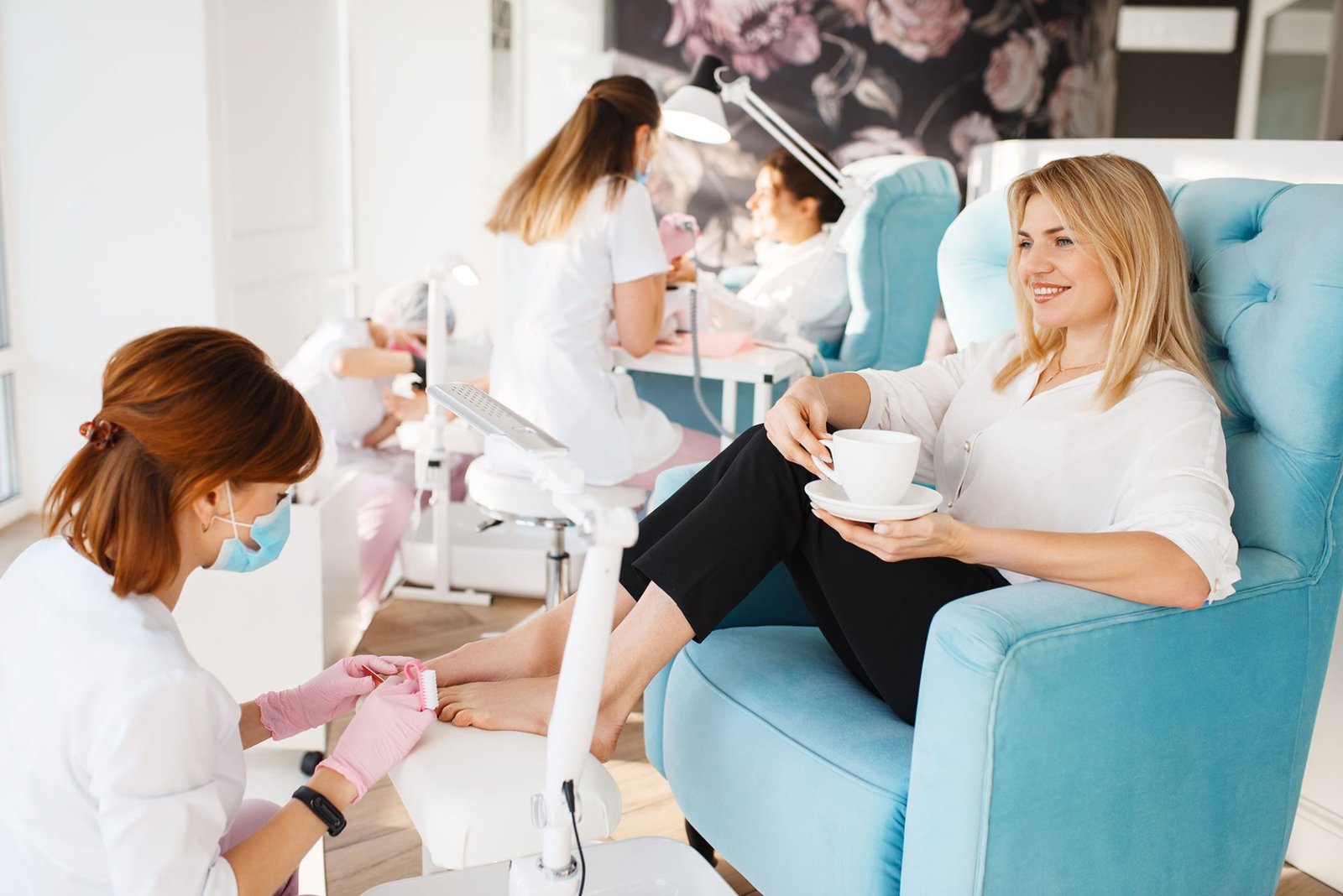



Walking out of a salon with fresh nails and smooth skin feels great, but that glow doesn’t last on its own. What you do in the hours and days after your appointment plays a big role in how long your results hold up. At Organic Nails & Spa, we talk to clients every week who ask the same question: how do I keep my hands soft and my polish looking new for longer? The answer usually comes down to one thing — proper moisturizing.
This guide walks through practical, easy-to-follow moisturizing steps for after a manicure, pedicure, waxing session, or any other hand and skin treatment. Whether you just got a classic polish change or tried something with gel nail benefits in mind, these tips will help your skin and nails stay in good shape between visits.
Why Moisturizing Matters More Than People Think
Salon treatments involve filing, buffing, soaking, and sometimes exposure to chemicals or heat. Each of these steps can strip natural oils from your skin and nails, even when the process is gentle. Without follow-up care, hands can feel dry within a day or two, cuticles can crack, and polish can start chipping earlier than expected.
Skin on the hands is thinner than most other parts of the body and has fewer oil glands, which means it loses moisture faster. Add in regular hand washing, sanitizer use, and weather changes, and it’s easy to see why hands often show signs of dryness before anywhere else.
The First Hour After Your Appointment
The period right after a salon visit is when your skin and nails are most receptive to hydration. Nail technicians often apply cuticle oil at the end of a service, but that’s just a starting point.
- Avoid submerging your hands in water for at least one hour after a manicure to let polish set fully
- Apply a light layer of hand cream once polish is dry to the touch
- Skip hot water for the rest of the day, since heat can dry out skin faster than cool or lukewarm water
- Keep hands away from harsh cleaning products for a few hours if possible
If you got gel polish, this is also a good moment to think about long-term care. Many people choose gel finishes specifically for the durability, and understanding gel nail benefits early on helps you plan the right aftercare routine from day one.
Daily Moisturizing Routine for Hands
A consistent routine matters more than an expensive product. Applying a moisturizer once and forgetting about it for a week won’t do much. Hands benefit from small, repeated applications throughout the day rather than one heavy layer at night.
Morning Care
Start the day with a hand cream that contains natural oils like jojoba, shea butter, or almond oil. These absorb well without leaving a greasy residue, which matters if you’re heading to work or handling paperwork. Apply it after your morning shower while skin is still slightly damp, since this helps lock in moisture more effectively than applying to completely dry skin.
Midday Touch-Ups
Hands go through a lot during the day — typing, washing, using hand sanitizer, running errands. Keeping a travel-size moisturizer at your desk or in your bag makes it easy to reapply without much thought. Even a quick rub-in after washing hands can prevent that tight, dry feeling that shows up by afternoon.
Nighttime Recovery
Nighttime is when skin repairs itself, so this is the best time for a thicker, more intensive product. A heavier cream or balm applied before bed, combined with cotton gloves if you want extra absorption, can noticeably improve how hands feel by morning. This step matters even more after treatments that involved gel nail benefits, since gel systems often require curing under UV or LED light, which can be slightly drying to surrounding skin.
Caring for Cuticles Specifically
Cuticles are often overlooked, but they protect the base of the nail from bacteria and infection. Dry, cracked cuticles aren’t just uncomfortable — they can also affect how polish looks and how long it lasts.
Cuticle oil should be applied daily, not just during salon visits. A small drop massaged into each nail bed keeps the surrounding skin flexible and reduces the chance of hangnails. Products with jojoba oil, vitamin E, or tea tree oil work well because they hydrate without clogging the skin or interfering with polish.
Moisturizing After a Pedicure
Feet need a slightly different approach than hands because the skin is thicker, especially on heels and the balls of the feet. After a pedicure, it helps to apply a richer, more emollient cream than what you’d use on hands. Look for ingredients like coconut oil, cocoa butter, or urea-based creams, which are designed to soften thicker skin without feeling too heavy.
Wearing open-toe shoes or sandals for the rest of the day after a pedicure gives polish time to fully cure and prevents smudging. It also allows moisturizer to stay on the skin longer instead of rubbing off inside closed shoes.
Post-Waxing Skin Care
Waxing removes hair from the root, which can leave skin temporarily sensitive, red, or slightly inflamed. Moisturizing after waxing needs a gentler touch than regular hand or foot care.
Wait at least a few hours before applying any product to freshly waxed skin, since pores are still open and more likely to react to fragrances or heavy oils. Once skin has calmed down, a fragrance-free, aloe-based lotion works best for soothing irritation and locking in hydration without clogging pores. Avoid exfoliating for at least 24 to 48 hours, since skin is already in a sensitive state and doesn’t need additional friction.
Ingredients Worth Looking For
Not all moisturizers work the same way, and some ingredients do more for skin recovery than others. When picking a product for post-salon care, a few stand out consistently.
- Shea butter, which softens skin and creates a light protective layer
- Jojoba oil, which closely resembles the skin’s natural oils and absorbs easily
- Aloe vera, useful for calming irritation after waxing or exfoliation
- Vitamin E, which supports skin repair and adds a light barrier against moisture loss
- Glycerin, a humectant that draws water into the skin rather than sitting on top of it
Products with these ingredients tend to work well across different skin types, whether hands are naturally dry or more on the oily side.
Why Gel Treatments Need Extra Attention
Gel polish has become a popular choice because it lasts longer and resists chipping better than regular polish. Part of what makes gel nail benefits appealing to so many clients is the extended wear time — often two to three weeks compared to a week or less for standard polish. But this durability comes with a trade-off: gel systems are cured under UV or LED light, and the surrounding skin can dry out slightly from repeated exposure over multiple appointments.
Regular moisturizing helps balance this out. Applying cuticle oil around gel nails every day, not just when polish starts lifting, keeps the skin flexible and reduces the risk of peeling or cracking near the nail edges. Clients who stick to a moisturizing routine tend to notice their gel manicures hold up better overall, both in appearance and in how the surrounding skin feels.
Building a Routine That Actually Sticks
The biggest challenge with aftercare isn’t knowing what to do — it’s remembering to do it. A routine only works if it fits into daily life without feeling like extra effort.
Keeping products visible and within reach makes a real difference. A hand cream by the kitchen sink, a small bottle of cuticle oil in a bag, and a nightstand moisturizer cover most of the day without requiring a person to think too hard about it. Pairing moisturizing with something already part of the daily routine, like brushing teeth or making coffee, also helps it stick.
Signs Your Skin Needs More Than Basic Moisturizing
Sometimes regular lotion isn’t enough, especially for people with naturally dry skin or those who wash their hands frequently throughout the day. Cracking around the knuckles, peeling near the nail edges, or redness that doesn’t go away within a day or two are signs that a richer product or a change in routine might be needed.
If dryness continues despite consistent care, it may be worth switching to a heavier balm at night or asking about treatments during your next salon visit that focus specifically on hydration, such as a paraffin dip or hydrating hand mask. This kind of attention is especially useful for anyone who regularly gets gel manicures, since staying on top of skin care alongside gel nail benefits like long-lasting shine and chip resistance keeps both the polish and the skin around it looking its best.
Adjusting Your Routine by Season
Skin doesn’t behave the same way all year round, and moisturizing habits often need small adjustments depending on the weather. Ignoring seasonal changes is one of the most common reasons people feel like their aftercare routine “stopped working” even though nothing about their products actually changed.
Cold Weather Care
Cold air holds less moisture, and indoor heating dries things out even further. During colder months, switching to a thicker cream or ointment-based moisturizer instead of a light lotion makes a noticeable difference. Wearing gloves outdoors also protects hands from wind and cold exposure, which can otherwise undo a lot of the progress made through daily moisturizing.
Warm Weather Care
Warmer months bring more sun exposure, swimming, and sweat, all of which can affect how skin retains moisture. A lighter, water-based lotion tends to work better in summer since heavier creams can feel greasy in the heat. Applying sunscreen on the hands, especially the backs of the hands, is often overlooked but helps prevent premature dryness and sun damage that can make skin look older over time.
Humidity and Air Conditioning
Both very humid and very dry indoor environments can affect skin differently than expected. Air conditioning tends to pull moisture out of the air, similar to heating in winter, so people working in air-conditioned offices often need to moisturize more frequently than they’d expect during summer. Keeping a small moisturizer at a desk helps address this without disrupting a workday.
Simple Habits That Support Long-Term Skin Health
Beyond moisturizer itself, a few daily habits make a real difference in how hands and skin hold up over time, both between and after salon visits.
- Drinking enough water throughout the day supports skin hydration from the inside, not just the surface
- Wearing gloves while doing dishes or cleaning protects both skin and polish from harsh detergents
- Choosing a mild, fragrance-free hand soap reduces daily irritation, especially for sensitive skin
- Reapplying sunscreen on hands during outdoor activities helps prevent dryness and long-term sun damage
- Giving nails an occasional break between treatments allows both nails and surrounding skin to recover fully
None of these habits require major lifestyle changes, but together they support everything a good moisturizing routine is trying to achieve.
Bringing It All Together
Good aftercare doesn’t need to be complicated. A little bit of moisturizer applied consistently throughout the day, paying attention to cuticles, and choosing the right products for hands, feet, and freshly waxed skin all add up to noticeably better results between salon visits. Treatments last longer, skin feels healthier, and the overall experience of getting your nails or skin done starts to feel like part of a bigger self-care habit rather than a one-time appointment.
If you’re due for a manicure, pedicure, or waxing session, or you’d like personalized advice on the right aftercare products for your skin type, our team at Organic Nails & Spa is here to help guide you through it.