


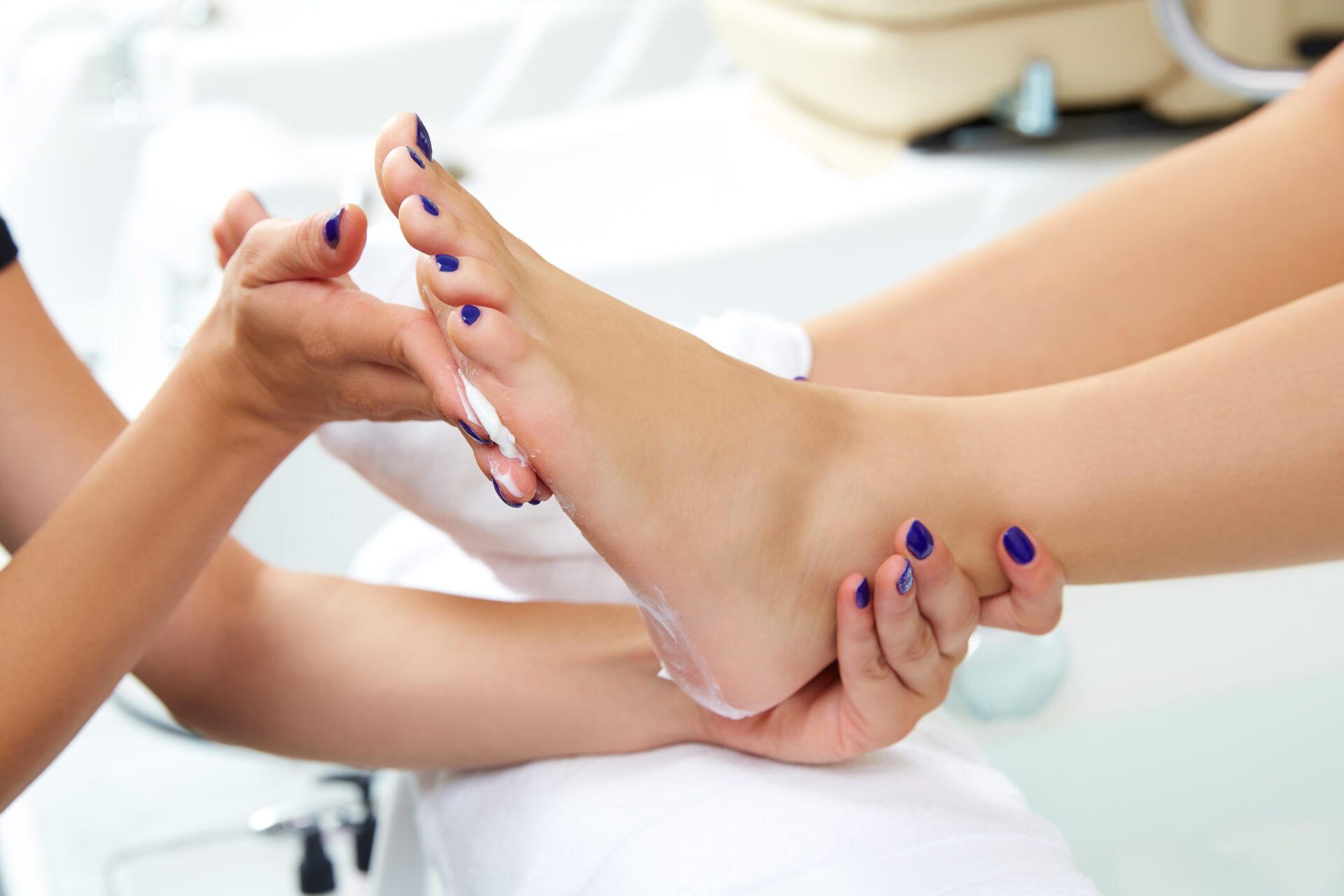
Cracked heels are one of those problems that sneak up on you. One day your feet feel fine, and the next you notice dry, splitting skin around your heels that catches on your socks or stings when you walk barefoot. If you have been searching for a real fix instead of another lotion that stops working after a week, a pedicure in Fairfax VA built around proper foot care can make a bigger difference than most people expect.
What Causes Cracked Heels
Heels crack because the skin on the bottom and sides of the foot is thicker and drier than skin almost anywhere else on the body. It has fewer oil glands, so it depends on outside moisture to stay flexible. When that moisture disappears, the skin hardens, thickens, and eventually splits under pressure.
A few common triggers show up again and again:
- Standing for long hours on hard floors
- Wearing open-back shoes or sandals that expose the heel to friction
- Walking barefoot at home, especially on tile or wood
- Cold, dry weather or indoor heating that pulls moisture from the skin
- Not moisturizing feet as often as hands or face
- Conditions like eczema, psoriasis, or diabetes that affect skin health
Once the skin around the heel loses elasticity, ordinary walking puts enough strain on it to cause small tears that can deepen and become painful.
Why Home Remedies Often Fall Short
Most people try drugstore creams, pumice stones, or overnight sock treatments before booking a professional service. These methods are not useless, but they usually treat the surface without addressing the buildup underneath. Thick, hardened skin acts like a barrier, so lotion applied on top of it rarely soaks in deep enough to soften the layers actually causing the cracks. A pumice stone used at home can also be uneven, since it is hard to reach your own heels properly, leaving some patches missed while others get scrubbed too hard.
What Happens During a Professional Pedicure for Cracked Heels
A professional pedicure treats cracked heels in stages, and each step matters. Skipping any one is usually why home care falls short.
Soaking and Softening
The process starts with a warm water soak, sometimes with added salts or oils. This softens the outer layer of hardened skin so it can be worked on safely and improves circulation, which supports the skin’s natural repair process.
Callus and Dead Skin Removal
Once the skin has softened, a technician removes dead skin and calluses using proper tools, done gradually and evenly in a way that is difficult to replicate at home. Removing this buildup takes pressure off the healthy skin underneath and reduces the chance of new cracks forming in the same spot.
Deep Moisturizing Treatment
After the rough skin is removed, a deep moisturizing treatment is applied — often a foot mask, intensive cream, or oil-based treatment that penetrates the freshly exposed skin far more effectively than lotion applied over calluses. Some services finish with a warm towel wrap or paraffin treatment to lock in moisture.
Booking a pedicure in Fairfax VA that includes all three of these stages gives your feet a real chance to heal instead of just looking better for a few days.
Benefits of Choosing a Pedicure in Fairfax VA for Heel Care
Choosing a local, professional pedicure over at-home treatment has a few clear advantages:
- Trained technicians can spot problem areas you might not notice yourself
- Tools used in a salon setting are more precise than store-bought pumice stones
- Moisturizing treatments used in salons are often stronger than over-the-counter lotions
- Regular visits catch small cracks before they turn into deep, painful splits
- A relaxing environment makes foot care something you are more likely to stick with
How Often Should You Get a Pedicure for Cracked Heels
For heels that are already dry or starting to crack, a pedicure every three to four weeks is a reasonable starting point, since that timeline lines up with how quickly dead skin rebuilds. If your heels are severely dry or affected by weather changes, more frequent visits for the first month or two can help get things under control faster. Once your heels are in better shape, once a month is usually enough to maintain the results.
Home Care Tips Between Pedicure Visits
A pedicure gives your feet a strong reset, but daily habits determine how long that progress lasts:
- Apply a thick, fragrance-free foot cream every night before bed
- Wear cotton socks after moisturizing to help the cream absorb overnight
- Avoid walking barefoot on hard floors for long periods
- Choose closed-back shoes when possible in dry weather
- Use a gentle foot file once or twice a week instead of aggressive daily scrubbing
None of these steps replace a professional treatment, but they help maintain the results between appointments.
Common Myths About Cracked Heels
A few misconceptions make cracked heels harder to treat than they need to be:
- Scrubbing harder works faster. Aggressive scrubbing can strip too much skin at once and irritate the area further. Gradual, even removal works better than force.
- Any thick lotion will fix dry heels. Some moisturizers sit on top of the skin without absorbing, especially over calluses, while others are formulated to penetrate thickened areas.
- It’s just a cosmetic issue. Deep cracks can become painful and, in some cases, open the door to infection.
- Once smooth, no more upkeep is needed. Skin regenerates constantly, so calluses and dryness return within weeks without ongoing care.
What to Expect During Your First Visit
If you have never had a pedicure focused on heel repair, a technician will usually check your feet and ask about problem areas before beginning the soak. The process then moves through softening, careful removal of hardened skin, and a moisturizing treatment matched to how dry or cracked your heels are. Sessions run a bit longer than a standard pedicure, since extra time goes toward proper skin removal rather than just polish. It’s normal to feel a noticeable difference in smoothness right after, though deeper repair continues over the following days.
Signs Your Feet Need Attention Sooner Rather Than Later
A few early warning signs are worth acting on before they get worse:
- Rough patches that catch on socks or sheets
- Visible lines or splits forming around the edge of the heel
- Skin that feels tight or stiff after walking
- Dryness that lotion no longer seems to help
- Stinging when pressure is applied to the heel
Catching these early keeps treatment simple. Waiting until cracks are deep usually means more visits are needed to get the skin back to a healthy state.
When Cracked Heels Need Medical Attention
Most cracked heels respond well to regular pedicures and consistent moisturizing. However, if cracks are deep enough to bleed, cause sharp pain while walking, or show signs of infection such as redness or swelling, that goes beyond what a spa treatment is meant to address. People with diabetes should also talk to a doctor before starting any new foot care routine.
Why People Choose Organic Nail & Spa
Foot skin reacts to whatever products touch it, which is why the ingredients used during a pedicure matter as much as the technique. At Organic Nail & Spa, treatments are built around gentle, non-toxic products that soften and repair dry skin without exposing your feet to harsh chemicals. That matters most for cracked heels, since already-damaged skin is more sensitive and needs care that supports healing rather than products that simply mask the problem for a few days. A clean, relaxing setting also makes a difference — people are far more likely to stick with regular visits when the experience itself feels worth returning to.
Questions People Often Ask
Does a pedicure hurt if my heels are already cracked?
A well-done pedicure should not cause pain. Technicians adjust pressure in sensitive spots and can skip aggressive removal until the skin heals a bit first.
Can nail polish be added along with heel treatment?
Yes. Most appointments include both the treatment portion and a polish or gel finish if you want one.
Will one visit fix cracked heels completely?
For mild dryness, one visit can make a noticeable difference. For heels cracked for months or years, it usually takes a few consistent visits along with home care.
Is this safe for sensitive skin?
Sensitive skin needs gentler products and techniques, which is why non-toxic, mild formulas reduce irritation compared to harsher standard products.
Getting Started
Cracked heels rarely fix themselves, and they tend to get worse with time. A proper soak, safe removal of built-up dead skin, and a deep moisturizing treatment done regularly are what actually change the condition of your feet. Searching for a dependable pedicure in Fairfax VA is often the first real step toward heels that feel smooth instead of painful.
Book your next appointment at Organic Nail & Spa to start treating cracked heels the right way
If your heels have been bothering you for a while, the next step is simple: book a pedicure and let a professional assess what your feet actually need. Small, regular care now prevents bigger problems later.