

A bowl of warm water, a few drops of soap, and ten minutes of soaking your feet at the end of a long day — it feels good, and for many people, that’s where foot care begins and ends. But if you’ve ever walked out of a professional foot spa and compared how your feet felt to that DIY soak, you already know the difference isn’t small. It’s the gap between simple relaxation and real, lasting care.
At Organic Nails & Spa, clients often ask us the same question: is a spa pedicure really worth it when a foot soak at home is free and easy? The short answer is yes, and this article breaks down exactly why — from the tools used to the skin health benefits you can’t replicate with a plastic tub and warm water.
The Short Answer
A home foot soak softens skin and offers temporary comfort. A Best Pedicure Foot Spa experience goes several steps further — it exfoliates dead skin, trims and shapes nails properly, treats cuticles, improves circulation through massage, and uses professional-grade tools that most households simply don’t have. The two aren’t really competing for the same purpose; one is a quick refresh, and the other is genuine foot maintenance.
The At-Home Foot Soak
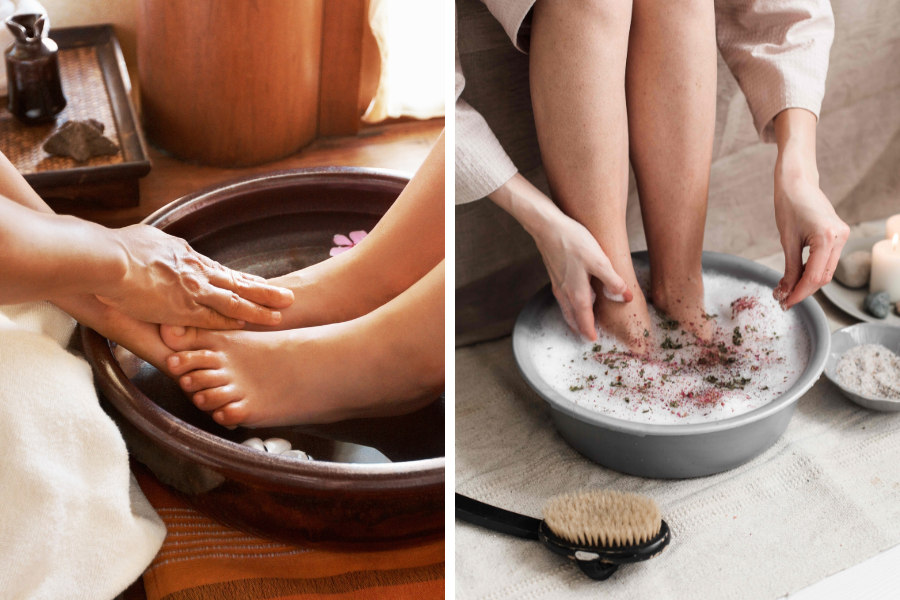
Most home foot soaks follow a similar pattern:
- Feet are submerged in warm water, sometimes with Epsom salt or essential oils
- Skin softens slightly after 10–15 minutes
- Nails may get a quick trim, but rarely proper shaping
- Rough patches on heels are left untouched or scrubbed briefly with a pumice stone
- No professional tools are used for cuticle care or callus removal
This kind of soak has its place — it’s calming, it’s low-cost, and it’s a nice way to unwind. But it addresses the surface, not the underlying skin and nail health that builds up over weeks and months of standing, walking, and wearing closed shoes.
The Professional Pedicure Process
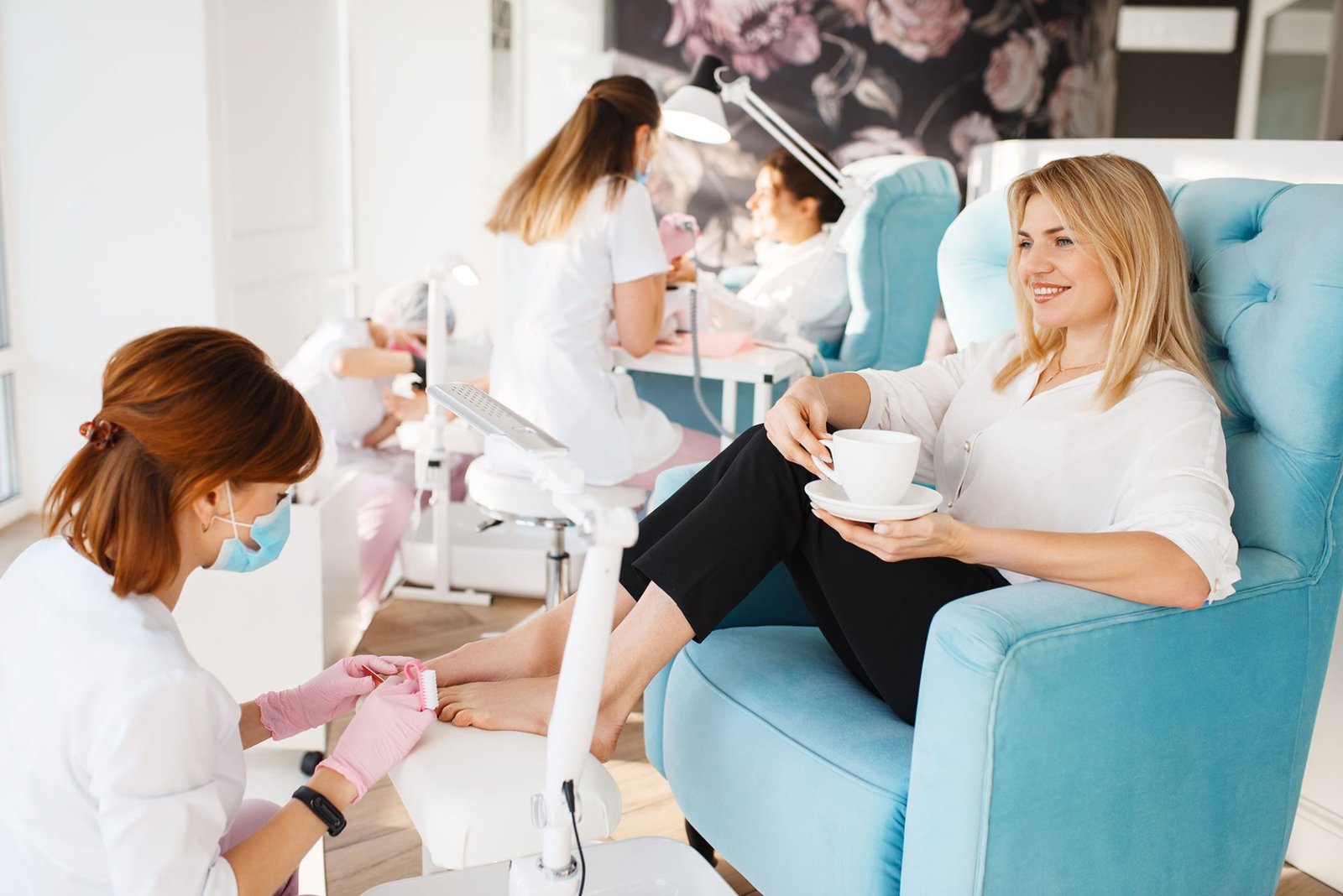
A pedicure at a trained foot spa is structured, not casual. Here’s how the process typically unfolds:
Step 1: Purposeful Soaking
The soak isn’t just about warm water — it’s often infused with organic, skin-friendly ingredients designed to soften calluses and prepare the skin for treatment, not just relax the muscles.
Step 2: Nail & Cuticle Care
Nails are trimmed and filed to a consistent shape, and cuticles are gently pushed back or treated — something that prevents ingrown nails and rough nail edges, a problem home soaks don’t solve.
Step 3: Callus Removal
This is where the biggest difference shows up. Estheticians use tools built specifically for safely removing built-up dead skin on heels and the balls of the feet, something a pumice stone at home only partially manages.
Step 4: Massage
A foot and lower leg massage isn’t just a relaxing add-on. It supports blood flow, which matters especially for people who sit or stand for long hours during the day.
Step 5: Finishing Touch
Feet are moisturized with products chosen for skin type, followed by polish application if requested — applied evenly, in a way that lasts longer than a rushed at-home job.
More Than Looks
It’s easy to think of a pedicure as purely cosmetic, but foot health has a real connection to overall comfort and mobility. Cracked heels, ingrown nails, and untreated calluses aren’t just cosmetic issues — they can lead to pain, infection risk, and posture changes over time if left unaddressed. A Best Pedicure Foot Spa treatment is built around prevention as much as appearance, catching small issues before they become bigger problems.
The Hidden Cost of Skipping Care
Many people put off booking a pedicure because a home soak feels like a good enough substitute, at least for a while. The problem is that foot issues rarely announce themselves early. A small patch of dry skin on the heel can turn into a deep crack within weeks if it’s never properly exfoliated. A cuticle that’s pushed back the wrong way, or not tended to at all, can lead to hangnails or minor infections. None of this happens overnight, which is exactly why it’s easy to overlook — until the discomfort becomes hard to ignore.
This is where the value of routine professional care becomes clear. It isn’t about vanity or spending money on something you could technically do yourself. It’s about catching small changes in your skin and nails before they turn into something that actually affects how you walk, stand, or wear shoes comfortably.
Tools & Hygiene
One part of the pedicure experience that rarely gets talked about is hygiene standards. Professional foot spas use sterilized tools, single-use files, and sanitized equipment between every client. At home, the same pumice stone or nail clipper gets reused for months, often without proper disinfection.
This matters more than people realize, especially for anyone prone to minor skin irritation or nail issues. A trained technician also knows how to handle calluses and rough skin without over-exfoliating or damaging healthy skin underneath — something that’s easy to get wrong with at-home tools that aren’t designed for precision work.
How Often Feet Need Care
Feet go through more daily wear than most people give them credit for. Between standing, walking, exercising, and spending hours in closed shoes, the skin and nails on your feet are constantly under pressure that hands rarely experience. That’s part of why a single home soak, done occasionally, isn’t enough to keep up with how quickly rough skin and nail issues can build up.
A few signs it might be time to move beyond the occasional soak and consider a proper foot spa routine:
- Heels that stay rough or cracked no matter how much lotion you use
- Nails that grow unevenly or catch on socks and shoes
- Cuticles that look dry, torn, or inflamed
- Feet that feel tired or achy by the end of most days
- Polish that chips within a day or two of an at-home application
Side by Side
It helps to see the difference laid out plainly rather than described in pieces. A home soak is quick, private, and costs almost nothing beyond water and a few household items. It’s genuinely useful for relaxation and can be a nice ritual on a regular evening. A professional pedicure, on the other hand, is a structured treatment involving trained hands, proper tools, and products chosen specifically for skin and nail health — not just comfort in the moment.
Neither is meant to replace the other completely. Think of the home soak as daily maintenance and the spa pedicure as the deeper, periodic care your feet actually need to stay healthy over time.
Common Questions
Is a home foot soak enough if I don’t have visible foot problems?
It can be enough for relaxation, but it won’t address calluses, cuticle buildup, or nail shaping the way a professional treatment does. Prevention matters even before problems become visible.
Can I get the same results with a home pedicure kit?
Home kits offer basic tools, but they don’t match the precision or hygiene standards of professional-grade equipment used in a spa setting, and results tend to be inconsistent.
How often should I get a professional pedicure compared to soaking at home?
Many people soak at home weekly for relaxation but schedule a professional pedicure every three to four weeks to maintain nail and skin health properly.
Are organic products used in spa pedicures different from what I use at home?
Yes — organic-focused spa products are often formulated specifically for skin softening and callus treatment, rather than general-purpose soaps or bath salts found at home.
Organic, Non-Toxic Products
One thing that sets a genuine foot spa apart is what actually touches your skin. Many nail salons rely on products packed with harsh chemicals, which can be especially rough on sensitive skin or on feet that already deal with dryness and cracking. Choosing a salon that uses organic, non-toxic ingredients means you’re not trading short-term smoothness for long-term skin irritation.
Choosing a Best Pedicure Foot Spa for this deeper level of care means your feet get consistent attention instead of sporadic, DIY fixes that only address symptoms as they show up.
Who Benefits Most
While anyone can enjoy a spa pedicure, certain groups notice the difference more than others:
- People who stand for long shifts at work and deal with foot fatigue
- Anyone managing dry, cracked heels that home moisturizers haven’t fixed
- Those with mild circulation issues who benefit from massage
- People preparing for events who want polish that lasts without chipping early
- Anyone who simply wants consistent, professional-grade foot care instead of guesswork
More Than a Trend Word
The term foot spa gets used loosely, but a real one follows a structured process backed by trained professionals, proper tools, and skin-safe products. That structure is exactly what separates a Best Pedicure Foot Spa visit from a bathtub soak with a bar of soap. It’s not about the setting looking fancy — it’s about the process actually doing something for your feet beyond temporary softness.
Your First Visit
If you’ve never had a professional pedicure before, walking in for the first time can feel slightly unfamiliar. There’s no need to prepare anything special beforehand — no pre-soaking, no shaving, no special products required. A technician will typically start by asking about any specific concerns, such as dry heels, ingrown nails, or sensitivity to certain products, and adjust the treatment accordingly.
The full process usually takes between thirty and forty-five minutes, depending on the condition of your feet and whether you’re adding extras like a longer massage or a specific polish finish. Most people find the experience far more relaxing than they expected, especially once the massage portion begins. It’s common to leave not just with better-looking feet, but with noticeably less tension in the lower legs as well. Many first-time visitors share exactly this reaction in their Google reviews, often mentioning how much more relaxed they felt than they expected.
For anyone hesitant because it feels like an unnecessary luxury, it helps to reframe it: this is closer to routine maintenance than indulgence, the same way a dental cleaning isn’t just about a brighter smile but about preventing bigger problems down the line.
The Right Choice
Neither option needs to fully replace the other. A quick home soak on a Tuesday night is a fine way to relax after a long day. But when it comes to actual foot health — treating calluses, shaping nails properly, supporting circulation, and using products that won’t irritate your skin — a professional pedicure does something a home soak was never designed to do.
If your feet have been feeling rough, tired, or neglected for a while, it might be time to give them the kind of care that goes beyond a bowl of warm water. Organic Nails & Spa offers pedicure treatments built around organic, skin-friendly products and techniques designed for real results, not just a quick refresh. When you’re ready to give your feet that level of care, set up a visit with our team and see the difference for yourself.
Your feet carry you through every single day — they deserve more than a quick soak once in a while.